
Selling agricultural land is a significant decision, particularly when the land has been owned or farmed for many years. Before approaching a land agent, it is worth gathering information about the property, understanding any existing agreements and considering what you want to achieve from the sale.
If you are wondering how to sell agricultural land, preparation is a sensible place to start. Having the right information available can help your land agent assess the property, identify potential complications and advise on the most appropriate way to bring it to market.
For landowners across Wigan and the wider North West, the following steps provide a useful starting point before arranging an initial discussion.
In this guide
Understand The Value Of Your Agricultural Land
Agricultural land values can vary considerably, even between neighbouring properties. While recent sales may provide an indication of local demand, the characteristics of your land will influence how it is valued.
Several factors are worth considering before speaking to a land agent.

Land Quality & Agricultural Classification
The Agricultural Land Classification system grades agricultural land according to its quality and agricultural potential. Grade 1 represents excellent quality land, while Grade 5 represents very poor quality agricultural land.
Soil conditions and drainage can affect how land is used, which may influence its appeal to different buyers. However, agricultural classification is only one consideration when assessing value.
Location & Accessibility
Land with convenient access from a public highway may appeal to a wider range of purchasers than land with restricted access or uncertain rights of way.
Its position in relation to other agricultural holdings can also matter. A neighbouring farmer may see particular value in land that would allow them to expand their existing operation.
Tenancies & Existing Use
Land being sold with vacant possession may attract different interest from land occupied under an agricultural tenancy.
The type of tenancy and the rights held by the occupier can affect how the land is marketed and what a purchaser can do with it.
An agricultural land valuation should therefore consider the individual property rather than relying solely on a general price per acre.
Check Planning Potential & Development Indicators
Some agricultural land may have potential for an alternative use, although this should never be assumed simply because the land is close to existing development.
Local planning policies, site access and environmental restrictions can all affect what may be possible. Land within the Green Belt, for example, is subject to particular planning considerations that may restrict development.
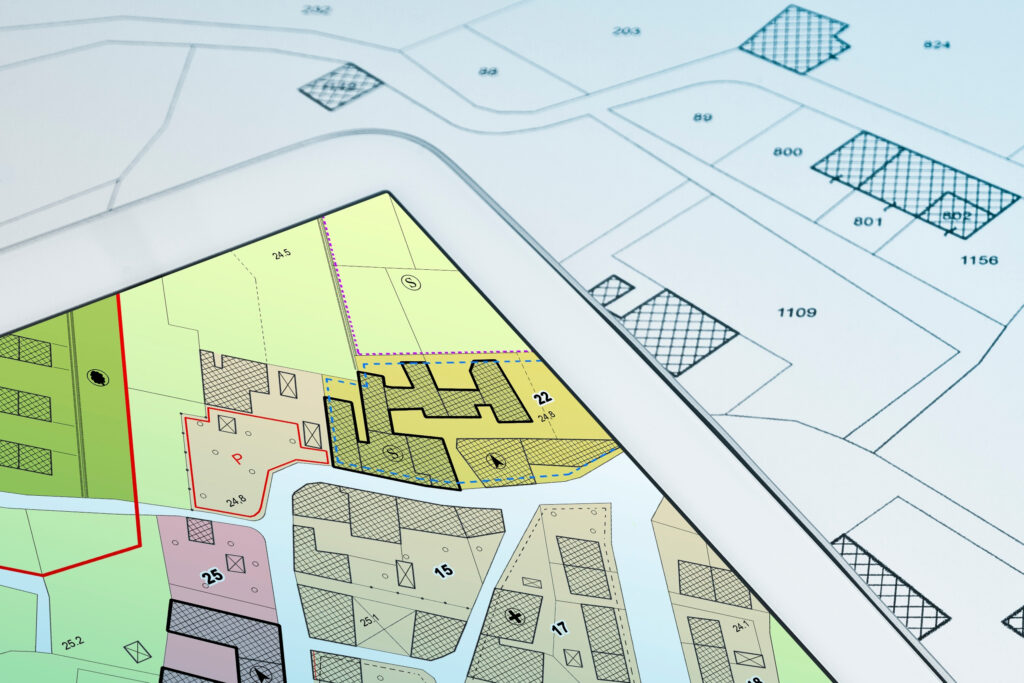
Before selling, it is worth checking whether the land has any relevant planning history or existing permissions. You can usually find planning applications and decisions through the relevant local planning authority.
If you believe the land could have development potential, obtaining professional advice before marketing it may be worthwhile. A possible alternative use could influence buyer interest, but it does not automatically mean the land will achieve a higher price.
Our guide to assessing your land’s development potential explains the checks landowners can make before deciding whether to investigate an opportunity further.
Gather Important Documentation & Records
One of the most useful things you can do before speaking to a land agent is gather the documents relating to your land.
You do not need to resolve every outstanding issue before arranging a meeting. However, having the available paperwork organised can make the initial discussion more productive.
Ownership Documents & Boundaries
Start with the title documents and any plans showing the extent of the land being sold.
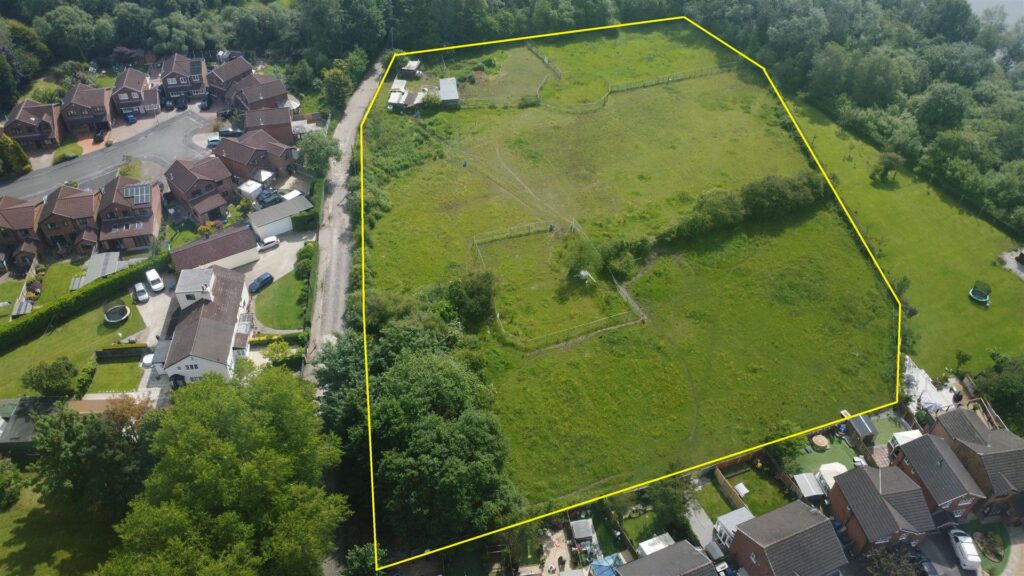
Check that the boundaries shown correspond with your understanding of the property. If there are uncertainties involving neighbouring land or access, make your land agent aware of them.
Where ownership or legal rights are unclear, a solicitor may need to investigate before the sale progresses.
Tenancy & Occupation Agreements
If somebody else farms or occupies the land, gather any written tenancy agreements and relevant correspondence.
Agricultural land may be occupied under a Farm Business Tenancy or an older tenancy governed by the Agricultural Holdings Act 1986. Different arrangements can provide different rights, including rights affecting possession and succession.
It is important to establish the actual legal position rather than assume that a tenancy can be ended when the land is sold.
Other useful records
Depending on the property, it may also help to gather:
- Details of rights of way, easements and access arrangements
- Information about drainage, water supplies and services
- Existing planning permissions or relevant correspondence
- Records of environmental or land management agreements
- Available cropping history and other agricultural records
Your land agent can advise which documents are most relevant to the proposed sale and what additional information may be needed.
Prepare The Land & Property Presentation
Agricultural land does not need to be presented like a residential property, but its condition and accessibility can still affect a prospective buyer’s first impression.
If the land is actively farmed, normal agricultural operations may need to continue while it is being marketed. The aim should be to present the property accurately without disrupting its existing use unnecessarily.
Check Access & Boundaries
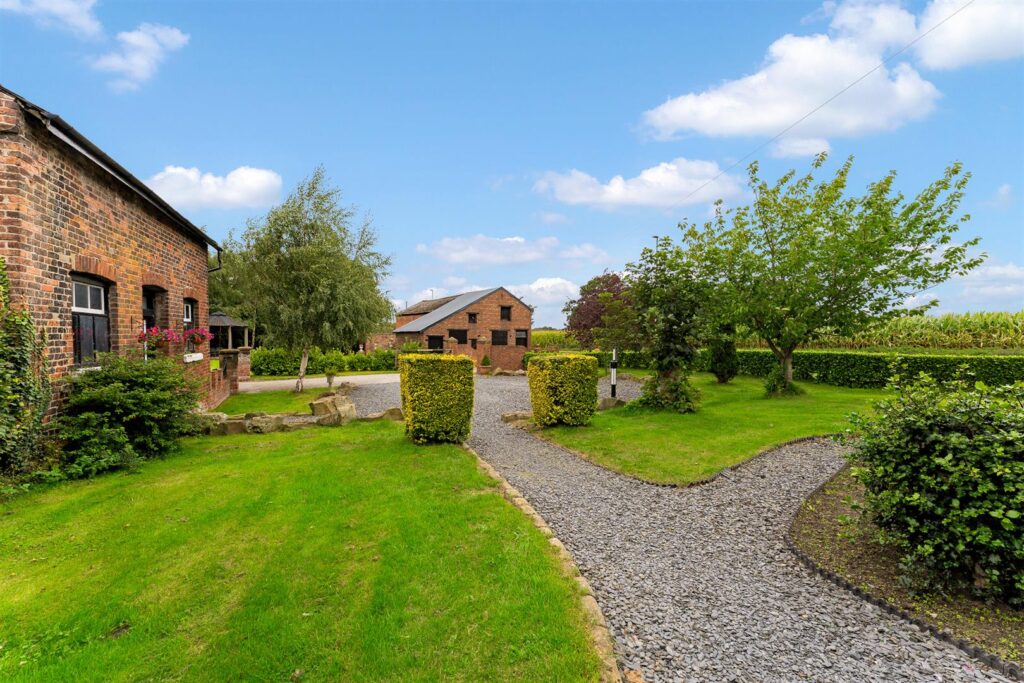
Make sure entrances and access tracks are reasonably accessible for arranged inspections, taking account of ground conditions and ongoing farming activities.
Where practical, ensure gates operate properly and obvious maintenance issues have been addressed. If boundaries are difficult to identify, it may be useful to discuss how they can be explained during viewings.
Consider Buildings & Infrastructure
If the sale includes agricultural buildings, yards or other infrastructure, provide accurate information about their condition and use.
Any known issues should be discussed with your agent rather than concealed. Prospective buyers may need further information about buildings or services before deciding whether to proceed.
For larger holdings, existing plans and records can help prospective purchasers understand how the land is arranged.
Understand Tax & Legal Considerations
Selling agricultural land can have significant financial implications, particularly where the property forms part of a farming business or has been owned for a long period.
It is sensible to speak with a suitably qualified accountant or tax adviser before committing to a sale.
Capital Gains Tax
Capital Gains Tax may be payable when agricultural land is sold at a gain. The position depends on the ownership circumstances and any reliefs or exemptions that may apply.
Where land has been inherited or held within a business, the calculation can become more involved. Establishing the likely tax position before agreeing a sale can help avoid unexpected liabilities.
Agricultural Property Relief & Inheritance Planning
Agricultural Property Relief is an Inheritance Tax relief that may be relevant to qualifying agricultural property. Its availability depends on the applicable conditions and the circumstances of ownership.
A proposed sale may also affect wider inheritance or succession plans. If the land forms part of a family farming business, it is worth considering these implications with professional advisers before proceeding.
VAT & Legal Rights
VAT treatment can depend on the nature of the property and the transaction, including whether any relevant option to tax applies. This should be checked rather than assumed.
Your solicitor will also need to consider matters such as ownership, access rights and any restrictions affecting the property.
Environmental Schemes & Existing Commitments
If the land is entered into an environmental stewardship or other land management scheme, gather the agreement details before marketing.
Existing commitments may affect how the land can be managed or what happens when ownership changes. Transfer arrangements and possible repayment obligations will depend on the particular scheme and agreement.
Your agent and relevant professional advisers can help establish what needs to be addressed before completion.
Consider Your Selling Strategy & Buyer Types
The best way to sell agricultural land depends partly on the property and the buyers most likely to be interested.
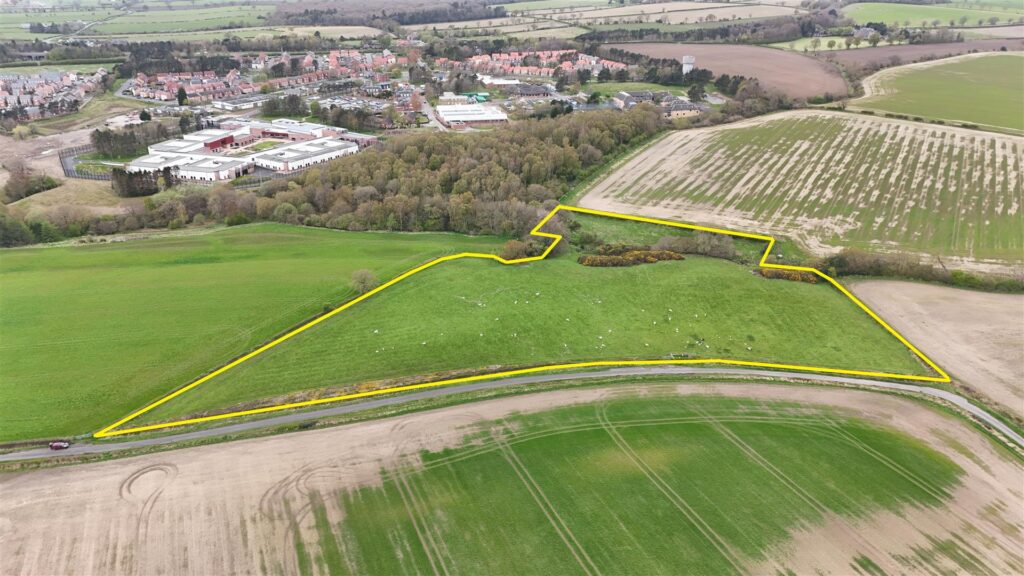
A small parcel adjoining an established farm may attract neighbouring landowners, while a larger agricultural holding could appeal to farming businesses or investors.
Your circumstances also matter. Some owners want to complete a sale within a particular period, while others may prefer to explore the market before deciding whether to proceed.
Private Treaty Or Auction?
A private treaty sale generally involves marketing the land, inviting offers and negotiating with interested purchasers. This approach can provide flexibility around the terms of a proposed sale.
An auction offers a different process, with bidding taking place under specified conditions. Where a binding contract is formed at auction, the seller and buyer are committed in accordance with those terms.
Neither method is automatically better for every agricultural property. Your land agent can explain which approach may be appropriate based on the land and your objectives.
Should You Consider An Overage Agreement?
An overage agreement may be relevant where agricultural land has the possibility of future development.
In simple terms, an overage clause can provide for an additional payment to the seller if a specified event occurs after the sale, such as planning permission being granted.
The conditions, duration and payment arrangements must be carefully drafted. Overage agreements can be complex, so specialist legal advice is important before agreeing to one.
Seek Expert Advice & Valuation Services

You do not need to have every answer before speaking to a land agent. In many cases, the purpose of the initial conversation is to identify what is already known about the property and what needs further investigation.
A land agent can consider the nature of the holding, the local market and your reasons for selling before advising on the next steps.
Fazakerley Sharpe has worked with landowners and property across Wigan and the North West since 1931. Our experience covers agricultural and rural property matters, including land sales, valuations and estate management.
Our land agent services in Wigan provide advice for landowners considering their options, while our property sales services cover the marketing and sale of different property types.
If you are preparing to sell agricultural land, an early discussion can help establish the information needed before the property is brought to market.
Selling Agricultural Land FAQs
What paperwork do I need before selling agricultural land?
Useful documents include title plans, ownership information and any tenancy agreements affecting the property. Details of access rights and existing environmental scheme commitments may also be required.
Your solicitor and land agent can identify which documents are needed for your particular sale.
Do I need planning permission before selling agricultural land?
No. Agricultural land can generally be sold without obtaining planning permission for an alternative use.
However, existing permissions or realistic development prospects may affect how the land is marketed and valued. If development potential is relevant, professional planning advice may be worthwhile.
How is agricultural land valued in the UK?
Agricultural land valuations consider factors including land quality, location and access alongside the property’s existing use and occupation arrangements.
Comparable market evidence can also help establish value, although the circumstances of individual sales need to be considered.
What tax do I need to pay when selling agricultural land?
Capital Gains Tax may apply to gains arising from a sale, depending on your circumstances. VAT and other tax considerations may also be relevant.
Because the tax position can vary considerably, you should seek advice from a qualified tax professional before proceeding.
Can I sell agricultural land with a tenant in place?
Yes, agricultural land can be sold subject to an existing tenancy. However, the tenancy may affect the buyer’s rights and the value of the property.
Farm Business Tenancies and tenancies governed by the Agricultural Holdings Act 1986 can involve different legal considerations. Specialist advice is important before making decisions about vacant possession.
How can I improve my agricultural land's sale prospects?
Begin by organising the relevant documents and establishing the property’s current occupation arrangements. Clear information about access and the condition of any buildings can also help prospective purchasers understand what is being offered.
An appropriate asking price and marketing approach should then be discussed with your land agent.
What types of buyers purchase agricultural land?
Potential purchasers include existing farmers looking to expand their holdings and investors interested in agricultural property. Buyer interest will depend on the land’s location and characteristics.
Land with possible development potential may attract additional interest, although any such opportunity needs to be assessed on its own merits.
Preparing For Your Agricultural Land Sale
Good preparation can help make the sale of agricultural land more straightforward. Understanding the property’s value, gathering available documents and identifying existing obligations will give your land agent a clearer starting point.
You do not need to resolve every legal or technical matter before seeking advice. Knowing what information you have and where there may be uncertainties is often enough to begin a useful discussion.
If you are considering selling agricultural land in Wigan or the wider North West, contact Fazakerley Sharpe to discuss your property and the next steps towards a potential sale. You can call us on 01942 242 636, email us at info@fazakerleysharpe.co.uk, or fill in our online contact form.