

Understanding how to assess land development potential can be valuable if you own land and are considering its future. A field, garden, yard or unused part of a larger property may appear to offer an opportunity for development, but appearance alone tells you very little about what could realistically be achieved.
Planning policy has an important role, although it is only part of the assessment. Access, the characteristics of the site and environmental constraints can all affect what may be possible. There is also a commercial question to consider. A proposal needs to make sense financially as well as from a planning perspective.
For landowners, identifying these issues before deciding how to proceed can provide a much clearer picture of the opportunity and the areas where professional advice may be required.
In this guide
Understanding Land Development Potential
Development potential refers to the possibility of land being used or developed differently in the future. This could involve housing or commercial development, depending on the site, its location and the relevant planning policies.
Owning land does not automatically give you the right to develop it. In many cases, planning permission will be required and a proposal will be assessed against national and local planning policy alongside site-specific considerations.
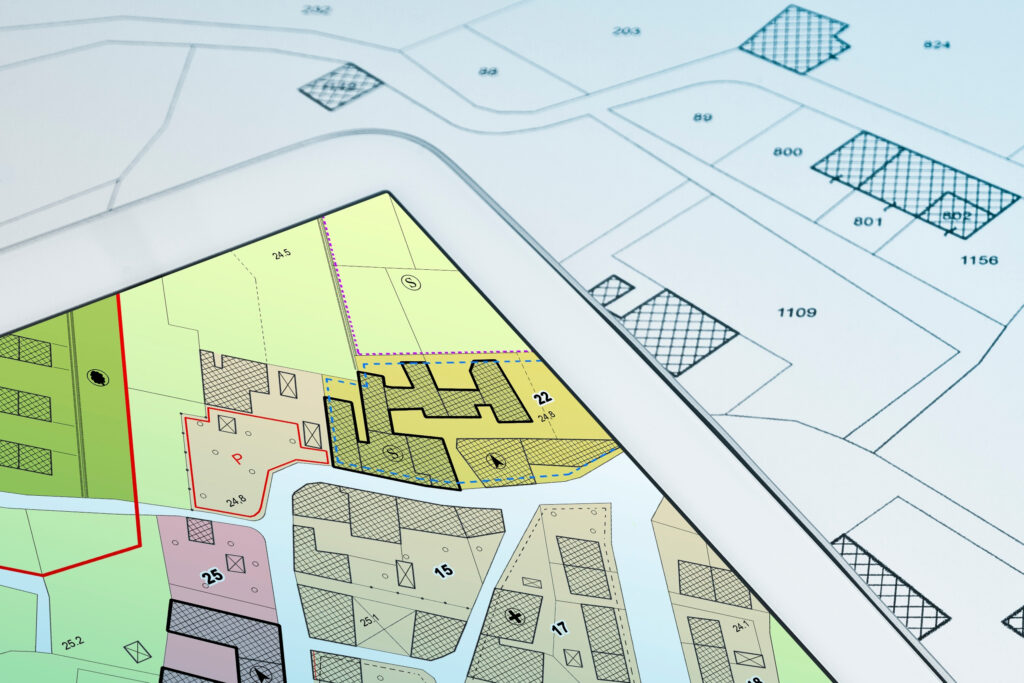
The position is rarely as simple as deciding that a plot is large enough for development. Two sites of a similar size can have very different prospects because of their location, access or planning context.
This is why landowners considering a sale should understand the potential of their site before deciding how it should be brought to market. Development prospects can be relevant to how land is viewed by prospective purchasers and how its value is assessed.
Key Checks To Assess Your Land’s Development Potential
An initial assessment does not need to answer every technical question about a site. It should help establish whether there is enough evidence to investigate the opportunity further.
Look At The Location & Surrounding Area
Start with what is already around the site.
Land within or close to an existing settlement may face different planning considerations from an isolated rural site. Nearby development can provide useful context, although the existence of housing or commercial premises nearby does not mean another proposal will automatically receive permission.
Consider the site’s relationship with roads, neighbouring properties and existing development. Its current use is also relevant, particularly where agricultural or other rural land is involved.
For North West landowners, the appropriate planning context will depend on the local authority responsible for the site. Policies affecting land in Wigan will not necessarily be the same as those applying elsewhere in Greater Manchester, Lancashire or Cheshire.
Check The Relevant Planning Policy
Local planning policy is one of the most important places to look when assessing land development potential.
Local authorities use development plans to guide decisions about how land should be used and where future development should take place. A site may also be affected by particular designations or policies that influence what can be considered.
Previous planning applications can provide further context. If applications have been made on the land before, the decisions and supporting documents may help explain how the site has previously been considered. Applications on nearby land can sometimes be informative too, although every proposal is assessed on its own circumstances.
Fazakerley Sharpe’s planning and development services can assist landowners who need professional advice about development opportunities and the planning position affecting their property.
Consider Access To The Site
A piece of land may have space for development but still present difficulties if suitable access cannot be achieved.
The existing entrance, relationship with the highway and practical requirements of a potential development can all become relevant. Legal rights of access should also be understood rather than assumed from the way a site is currently used.
An access issue does not necessarily mean that development is impossible. It can, however, materially affect what may be practical and needs to be identified early rather than after considerable time has been spent developing a proposal.
Understand Physical & Environmental Constraints
The land itself needs to be considered alongside its planning position.
The shape and topography of a site can affect how easily it could accommodate development. Steep gradients or unusual boundaries may influence what can practically be built and the amount of usable land available.
Flood risk can also be relevant, as can ecology and other environmental considerations. Some sites will require specialist investigation before the implications of these issues can be properly understood.
Utilities are another consideration. The availability and capacity of services required by a proposed development can affect feasibility and cost. Landowners should avoid assuming that services can simply be extended to a site because existing development is nearby.
The important point is to identify potential constraints early. Their presence does not automatically rule development out, but ignoring them can create an unrealistic picture of what the land might support.
Step-By-Step Guide To Assessing Your Land
If you think your land could have development potential, a structured initial assessment can help you decide what to do next.
Gather Information About The Land
Begin with the information already available to you. Establish the extent of the land you own, its current use and how it is accessed.
Ownership documents and plans may also reveal matters that need further investigation. Where boundaries, access rights or other legal issues are unclear, appropriate legal advice may be required.
Review The Planning Position
Look at the relevant local authority’s planning policies and any available planning history for the site.
This can help establish whether there are obvious policy considerations affecting the land and whether previous development proposals have been considered. It is important not to interpret the absence of an obvious restriction as confirmation that permission will be granted.
Where the planning position is unclear or the potential opportunity is significant, professional planning advice can help determine whether further work is justified.
Identify Obvious Site Constraints
Walk the site and consider the practical issues a potential development would face. Look at access, levels and neighbouring uses alongside the overall shape of the land.
At this stage, you are looking for questions that may require further investigation rather than attempting to complete a technical site assessment yourself.
Depending on the proposal and characteristics of the site, specialist surveys may later be appropriate. These could relate to matters such as topography, ecology or other site-specific constraints. The surveys required will vary, so commissioning a full range of reports before understanding what is actually needed can result in unnecessary expense.
Consider The Market For The Proposed Use
Planning potential and commercial demand are different things.
A site may have a possible development use, but a landowner also needs to consider whether there is demand for that use in the location. The type and scale of development that buyers or developers are seeking can affect interest in the land.
This is where local property knowledge becomes useful. Understanding the market for land for development can help a landowner decide whether to investigate an opportunity further, seek planning advice before sale or bring the land to market in its existing position.
Get Professional Advice Before Making Major Decisions
Once the initial checks have been completed, you may have a clearer idea of the questions that need answering.
Professional input at this stage can help prevent assumptions about planning prospects or value from driving an important decision. Fazakerley Sharpe’s land agent services in Wigan cover land and rural property matters, while the firm’s planning and development expertise can assist with the wider development position.
How Does Development Potential Affect Land Value?
Development potential can affect land value, but there is no simple calculation that tells every landowner what their site is worth.
Land with a realistic prospect of a higher-value use may be viewed differently from land that is expected to remain in its existing use. The strength and certainty of that potential matter. Land with planning permission is in a different position from a site where development is merely being considered.
Professional valuation of development land may involve methods such as the residual approach. In broad terms, this considers the anticipated value of a completed development against the costs and other allowances associated with delivering it to arrive at an assessment of land value.
For a landowner, the important point is that the calculation depends on assumptions. Construction costs, the proposed scheme and expected end values can materially change the outcome. A simplified online calculation is therefore unlikely to provide a reliable basis for an important sale or investment decision.
Fazakerley Sharpe undertakes professional valuations in accordance with RICS guidance where an appropriate formal valuation is required.
Common Pitfalls To Avoid In Land Development Assessment
One of the easiest mistakes is assuming that a large or apparently unused piece of land must be suitable for development. Size is relevant, but it does not override planning policy or physical constraints.
Planning permission should not be treated as a formality either. A nearby development or previous approval elsewhere in the area may be encouraging, but it does not guarantee the same outcome for your site.
Landowners should also be cautious about spending heavily on technical work before establishing what information is actually required. Specialist reports can be important, but the appropriate investigations depend on the site and the proposal being considered.
Value is another area where expectations can become unrealistic. Potential development value is not the same as the value of a completed development, and the costs involved in obtaining permission and delivering a scheme have to be considered.
Finally, think carefully about timing. Obtaining more information about a site’s development prospects before selling may be worthwhile in some circumstances, while another owner may prefer to sell without pursuing the opportunity further. The right approach depends on the land and the owner’s objectives.
How Fazakerley Sharpe Can Assist North West Landowners

Assessing land development potential often involves several areas of property expertise rather than a single yes or no answer.
Fazakerley Sharpe has worked with property and land from its Wigan base since 1931. Today, the firm’s work includes rural estate and property management, planning and development, land agency and professional valuations.
For landowners, this means an initial conversation can consider the wider position of the land rather than focusing on development in isolation. Depending on the circumstances, the next step might involve further planning investigation, advice about value or consideration of how the land could be marketed.
Our planning and development services can help owners understand development opportunities and planning matters affecting their land, while our land agent services provide support for landowners considering sale and other property decisions.
Professional advice cannot guarantee that planning permission will be obtained or that land will achieve a particular value. It can, however, help you understand the information available and identify the questions that should be answered before you make a decision.
How To Assess Land Development Potential FAQs
What factors determine if land has development potential?
The planning position, location and characteristics of the site can all affect development potential. Access and environmental constraints may also be important. The relevance of each factor depends on the land and the type of development being considered.
How do I know if my land is suitable for development?
Begin by checking the site’s current use, location and access alongside the relevant local planning policies and planning history. This initial research may identify obvious opportunities or constraints. Professional planning or land advice may then be appropriate before drawing conclusions about what could be developed.
Do I need planning permission before selling development land?
Not necessarily. Land can be sold without planning permission, although the planning position can influence how prospective purchasers view the opportunity and what they may be prepared to pay. The best approach will depend on the site, your objectives and the work required to pursue permission.
What surveys should I commission before selling land?
There is no standard set of surveys that every landowner should commission before a sale. Depending on the site and proposed development, specialist work relating to topography or environmental matters may become relevant. Advice should be sought before commissioning reports so that the work reflects the actual issues affecting the land.
How can local planning policies affect land development potential?
Local planning policies guide where development should take place and the types of development considered appropriate. Policies can also address matters specific to certain areas or sites. The relevant development plan should therefore be reviewed as part of any assessment rather than relying solely on the physical appearance of the land.
Can development potential increase the value of my land?
It can, but the effect depends on how realistic and established that potential is. A site with planning permission is different from land where a possible development use has not yet been tested. Market demand, development costs and site constraints can also affect value.
Should I assess development potential before selling my land?
Understanding the planning and development position before selling can help you make a more informed decision about how to proceed. The amount of investigation worth undertaking will depend on the site and your circumstances. Some landowners may benefit from exploring an opportunity further, while others may decide that selling without pursuing planning permission is more appropriate.
If you own land in Wigan or elsewhere in the North West and want to understand its potential, contact us to discuss the site and the professional advice that may be appropriate. You can call us on 01942 242 636, email us at info@fazakerleysharpe.co.uk, or fill in our online contact form.